
Essential Equipment for Pain Relief
A Guide to the Best Physiotherapy Equipment for Managing Chronic Pain
Chronic pain can significantly affect daily life, mobility, and overall well-being. Conditions such as back pain, neck pain, arthritis, post-surgical discomfort, and nerve-related pain often require long-term management rather than short-term treatment. Along with professional physiotherapy care, the right physiotherapy equipment can play a crucial role in pain relief and recovery.
This guide highlights essential physiotherapy equipment commonly used in home-based physiotherapy and tele-rehabilitation to help manage chronic pain safely and effectively.
- TENS Unit (Transcutaneous Electrical Nerve Stimulation)
A TENS unit is one of the most widely used devices for pain relief. It delivers low-voltage electrical currents to reduce pain signals and stimulate natural pain-relieving hormones (endorphins).
Best for:
- Chronic back and neck pain
- Arthritis
- Sciatica
- Muscle spasms
TENS units are compact, easy to use at home, and often recommended by physiotherapists for both in-person and online rehabilitation programs.
- Hot and Cold Therapy Packs
Heat and cold therapy are simple yet effective tools for pain management.
- Cold packs help reduce inflammation, swelling, and acute pain
- Hot packs relax muscles, improve circulation, and relieve stiffness
Best for:
- Joint pain
- Muscle tightness
- Post-exercise soreness
- Chronic musculoskeletal pain
Physiotherapists often guide patients during tele-rehab on the correct timing and application of heat or cold therapy.
- Resistance Bands
Resistance bands are versatile, lightweight, and highly effective for strengthening muscles without putting excessive stress on joints.
Best for:
- Chronic joint pain
- Shoulder, knee, and hip rehabilitation
- Improving mobility and stability
They are ideal for home physiotherapy and online sessions, as exercises can be easily demonstrated and corrected by a physiotherapist.
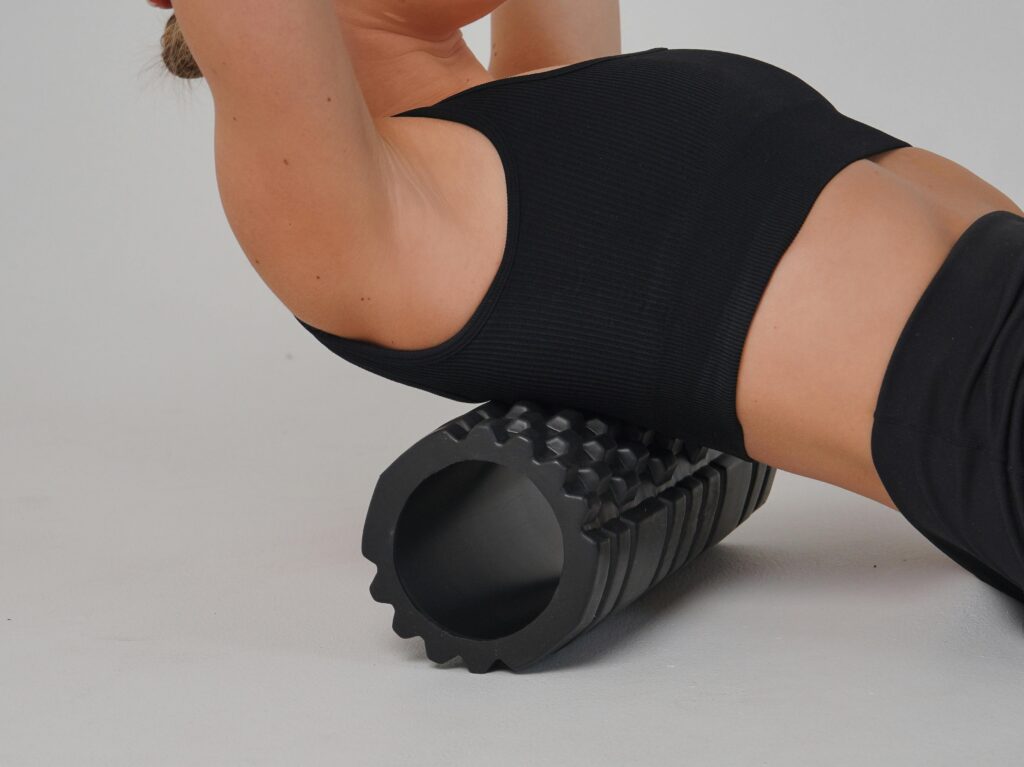
- Foam Rollers
Foam rollers are commonly used for myofascial release, helping to reduce muscle tightness and improve flexibility.
Best for:
- Lower back pain
- Muscle stiffness
- Postural tension
- Sports-related pain
Regular foam rolling under professional guidance can significantly reduce pain and improve movement.
- Exercise Mats
A good-quality exercise mat provides cushioning and stability, making floor exercises safer and more comfortable.
Best for:
- Stretching routines
- Core strengthening
- Yoga-based physiotherapy exercises
- Postural correction
Exercise mats are essential for both in-home visits and tele-rehab sessions.
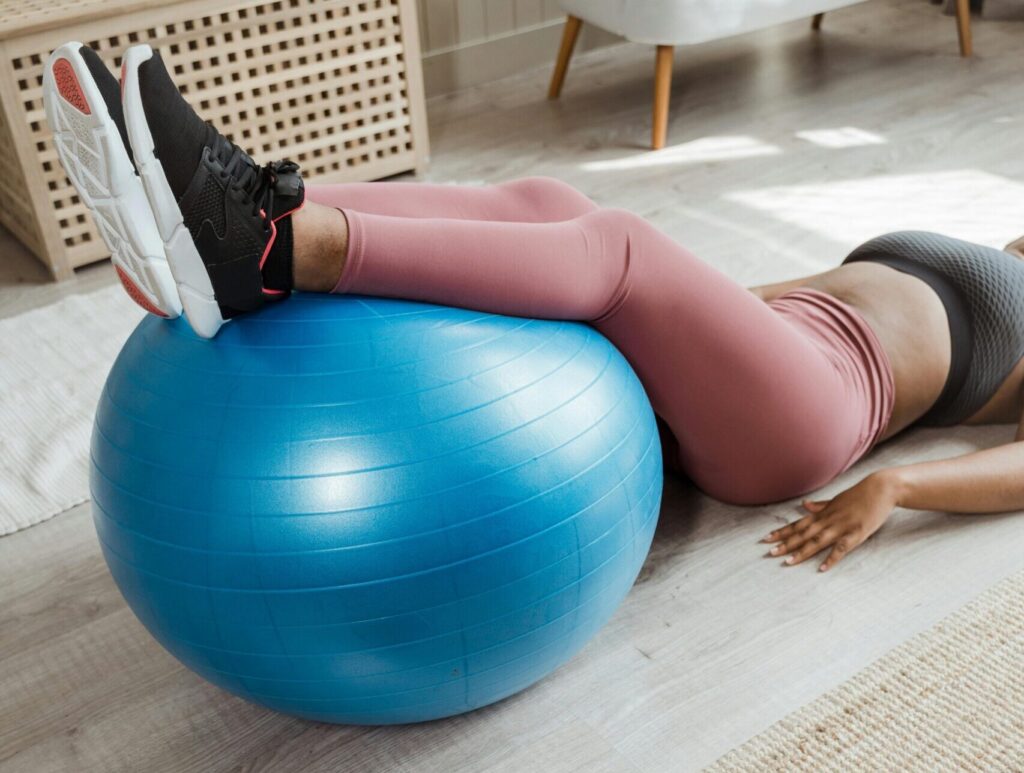
- Stability Balls (Swiss Balls)
Stability balls help improve core strength, balance, and posture, which are key factors in managing chronic pain.
Best for:
- Lower back pain
- Core weakness
- Balance training
- Postural rehabilitation
Physiotherapists can safely guide patients on proper usage during home or virtual sessions.
- Posture and Ergonomic Aids
Poor posture is a major contributor to chronic pain, especially neck and back pain.
Common aids include:
- Lumbar support cushions
- Cervical pillows
- Ergonomic chairs and workstations
During home visits or tele-rehab consultations, physiotherapists can assess your posture and recommend suitable ergonomic modifications.
- Hand Therapy Tools
For patients with arthritis or hand-related pain, simple tools can make a big difference.
Examples include:
- Therapy putty
- Hand grippers
- Stress balls
These tools help improve grip strength, flexibility, and reduce stiffness.
Using Equipment Safely and Effectively
While physiotherapy equipment can be highly beneficial, incorrect use may worsen pain. Always:
- Use equipment under professional guidance
- Follow recommended duration and intensity
- Stop if pain increases significantly
Both in-home physiotherapy and tele-rehabilitation ensure correct usage through supervised sessions and regular progress monitoring